
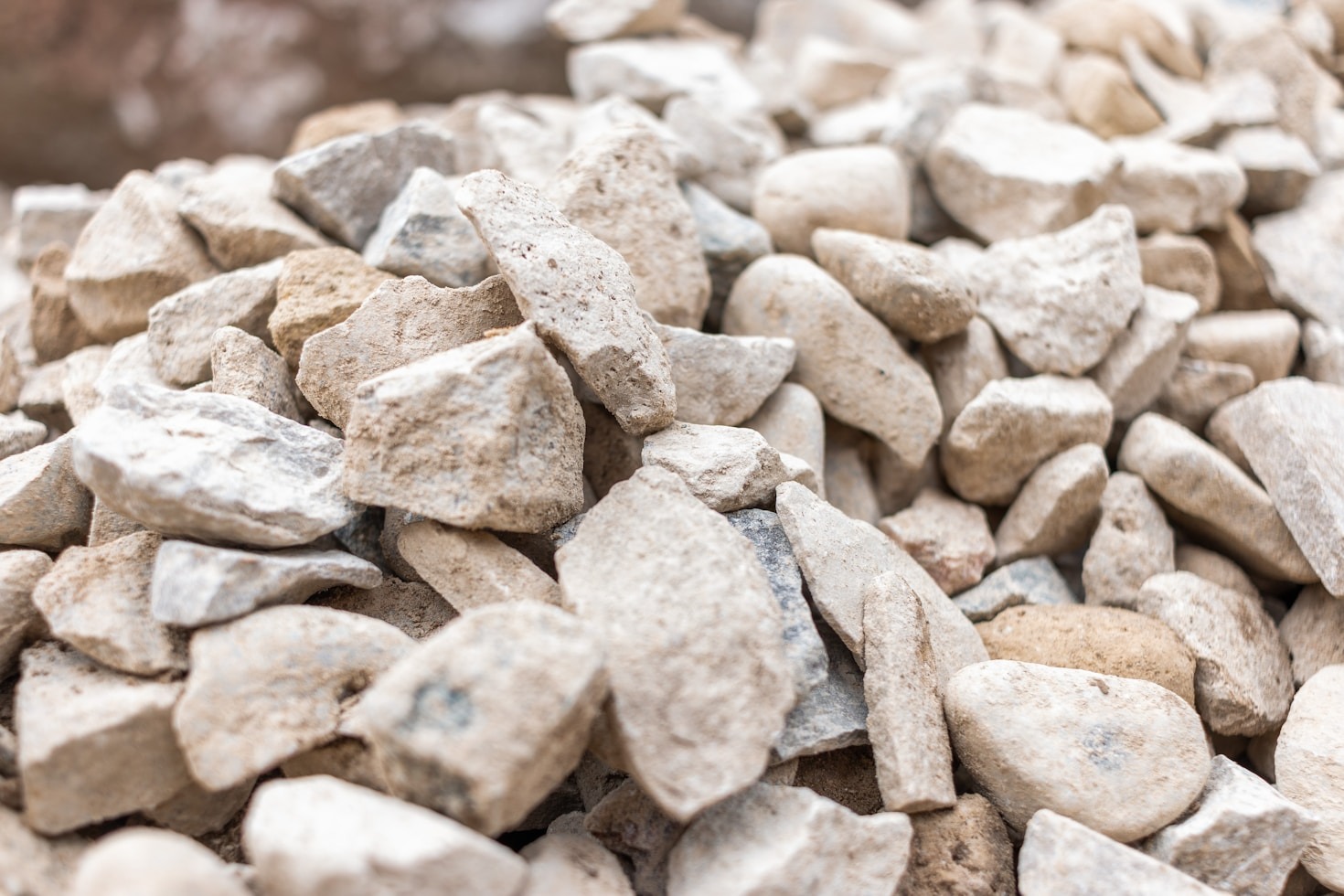
Moca Limestone, widely known as Moca Cream, is a calcite-based natural stone prized for its warm beige tone and elegant linear veining. On building façades, it delivers the depth and authenticity architects want, but it also asks for care that respects the material. Because it is alkaline and porous compared with ceramic or porcelain, the core of prevention is simple: reduce water absorption, avoid acidic cleaners, and protect the surface from abrasive grit and salts.
Moca Cream façades stay beautiful when you treat them like living stone, keep acids away, manage water, and seal what the weather can reach.
Start with the right routine. Wind-blown dust and construction debris act like sandpaper on honed or lightly polished Moca Cream, so rinsing with low-pressure water and wiping with soft pads keeps the face free of particles that scratch and dull the finish. Cleaning should always use a stone-safe, pH-neutral detergent; vinegar, brick/oxide removers, muriatic acid, bleach mixes, and “limescale killers” etch limestone and leave permanent matte patches that read as blotches on sunlit elevations. After washing, allow panels to dry fully; standing water darkens stone, drives salts toward the surface, and accelerates deterioration around joints and fixings.


Sealing is your first defensive layer. A breathable, penetrating sealer formulated for calcite limestone slows water and oil uptake without forming a film, giving maintenance teams time to remove stains before they set. For exterior cladding in sunny, dusty, or coastal environments, expect a reseal interval of roughly 6–12 months depending on exposure and orientation; a quick water-drop test on a discreet area will tell you when performance is fading—the bead should sit on the surface and disappear within a minute without leaving a dark patch. Remember to seal and monitor open-joint edges, drip zones, and parapets where rainwater lingers; these are the first places to telegraph staining.
Moisture management is as important as cleaning chemistry. Good façades shed water: correct drip edges, intact sealant joints, and ventilated cavities help the assembly dry from both sides. Inspect weeps and open joints seasonally to make sure nothing is blocked. In Gulf and coastal settings, airborne chlorides and pool splash introduce salts that crystallize as the stone wets and dries; gentle periodic rinsing dilutes salts before they bloom into efflorescence. If white deposits appear, use a neutral stone cleaner and patience—avoid acids that seem to “work faster” but actually etch the face and open pores, inviting more soiling.
Many “maintenance problems” start at installation, so prevention includes oversight of the build. Acidic grout-haze removers etch fresh limestone; breathable adhesives, cured substrates, and correct movement joints keep moisture from telegraphing dark blotches and prevent shear cracks that admit water. Specify compatible mortars and mastics, insist on mock-ups for cleaning, and record the detergent and sealer SKUs used so facilities teams can match them later—mixing chemistries is a common cause of streaking.
A simple seasonal rhythm keeps façades camera-ready. After dusty or stormy periods, do a low-pressure rinse, then wash with a neutral cleaner and inspect joints, flashings, and drip edges while the scaffold or lift is on site. In late spring and early autumn, perform the water-drop test on sun-exposed and windward elevations; if absorption is quick or patchy, re-seal those zones first rather than waiting for a full-building cycle. Where landscaping irrigation hits the façade, adjust spray patterns or add shields; continuous wetting concentrates minerals and leaves a mottled band that no detergent can fully hide.
For anyone searching for Moca Cream tiles or considering Moca Limestone cladding, the takeaway is clear: this is real stone, not ceramic. Use only pH-neutral cleaners, manage water with sound detailing, keep salts and acids away, and maintain a sensible sealing schedule. Follow those principles, and a Moca Cream stone façade will hold its color, texture, and refined presence for decades—delivering the warm, timeless look that makes the material so sought after in premium architecture.
Leave a Reply